Misuse of Statistics
Misuse of statistics refers to the incorrect application or interpretation of statistical data, which can lead to misleading conclusions.
Presenting proportions without counts – Reporting percentages without the raw numbers, making it hard to assess sample size or reliability.
Simpson’s paradox – Ignoring subgroup effects that reverse the overall trend when data are aggregated.
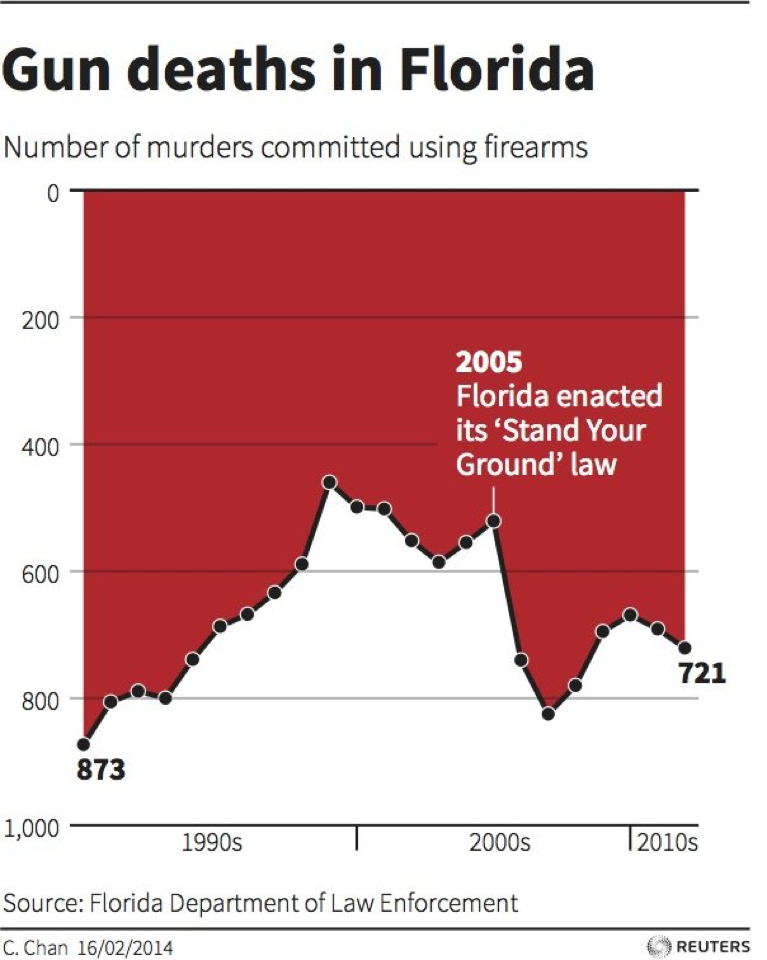
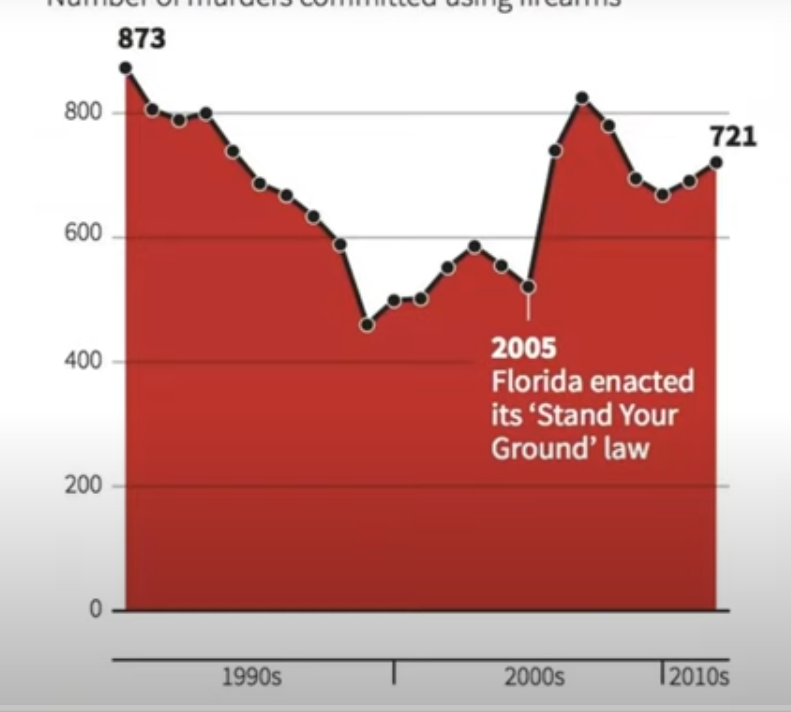
Reversing the axis – Flipping the scale direction to create a misleading impression.
Presenting summaries without visualizations – Omitting graphs that could reveal distribution shape, outliers, or patterns.
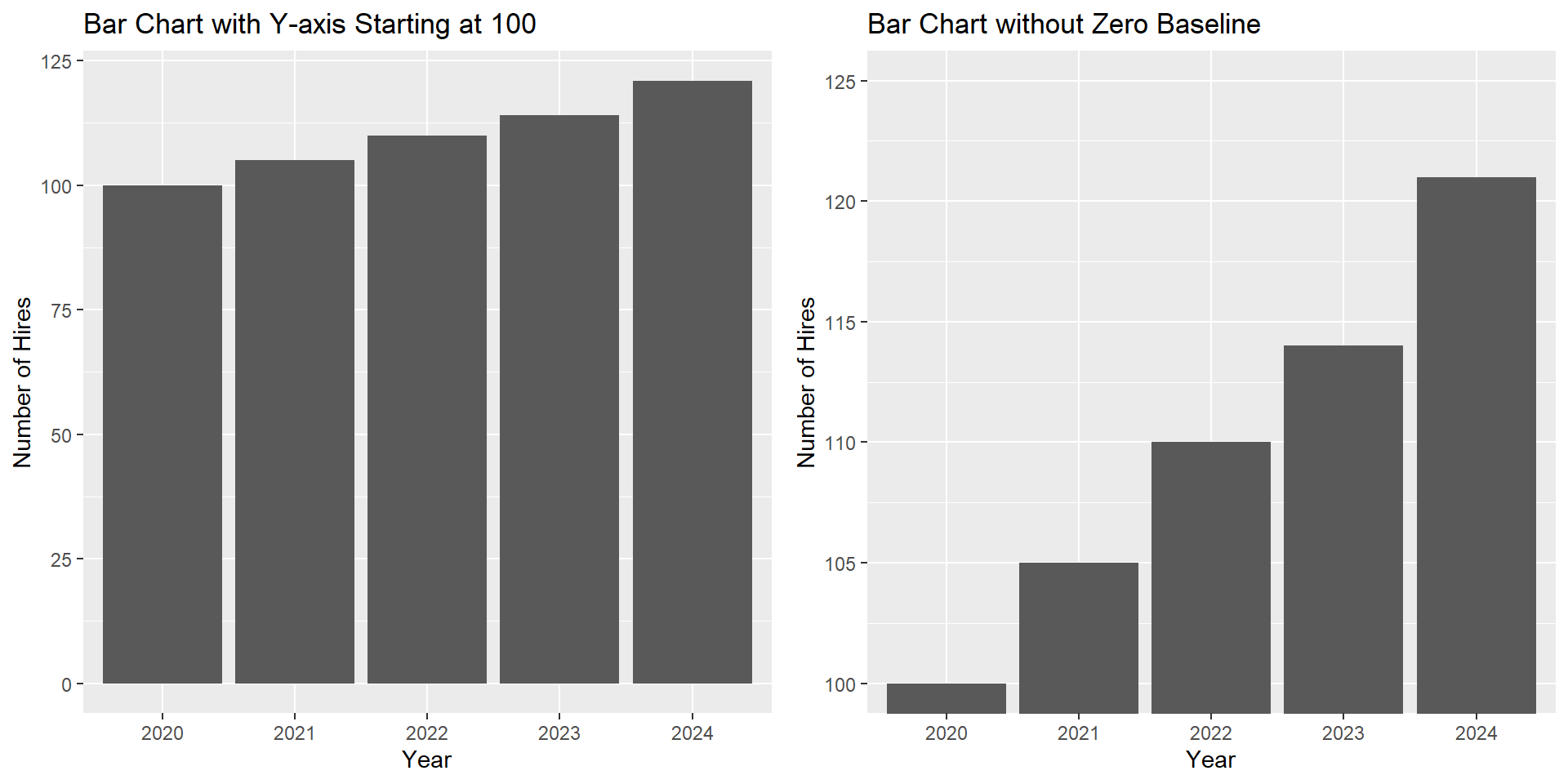
Bar charts that do not start at zero – Exaggerating differences by truncating the axis baseline.
Ignoring skewness – Using the mean when the distribution is skewed, leading to a poor representation of central tendency.
Over-reliance on a single measure – Reporting only the mean or median without spread (range, variance, standard deviation, IQR).
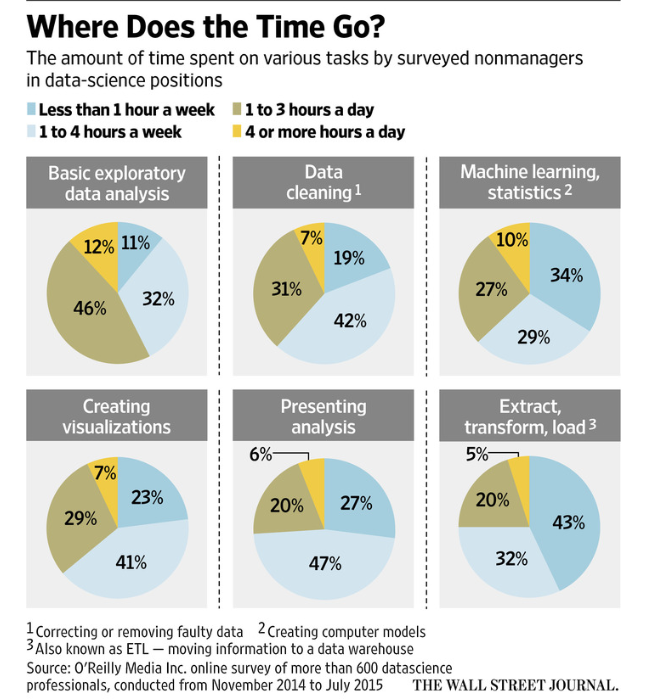
Too many categories → Human eyes can’t reliably compare many wedge angles. Once you get more than 4–5 slices, it becomes guesswork.
Pie charts in general → They encode data by angle, which our brains are not great at judging, especially without a baseline. A simple bar chart usually communicates the same information much more clearly.
3D pies are worse → The perspective distortion changes wedge sizes, making some slices look bigger or smaller than they really are.